EMANUELE CAPPELLO
-
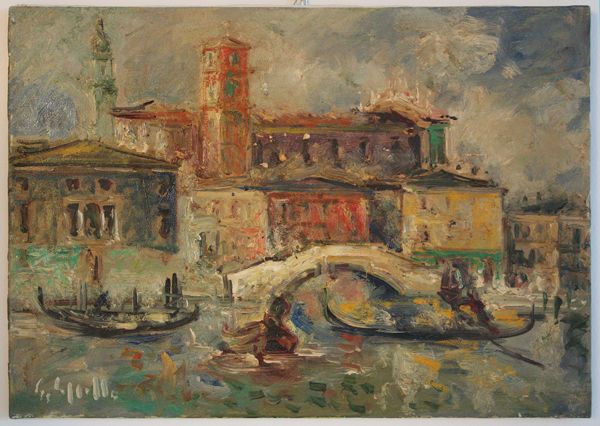
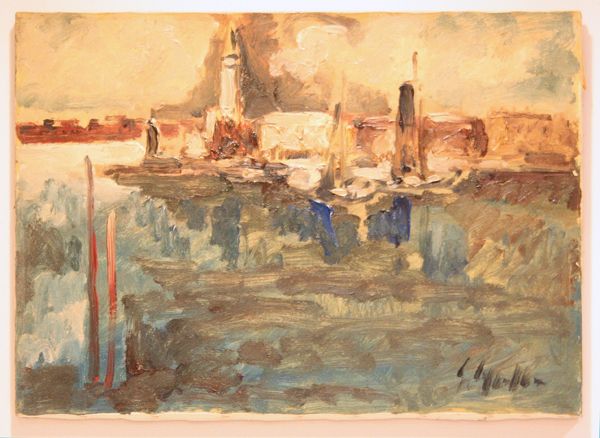
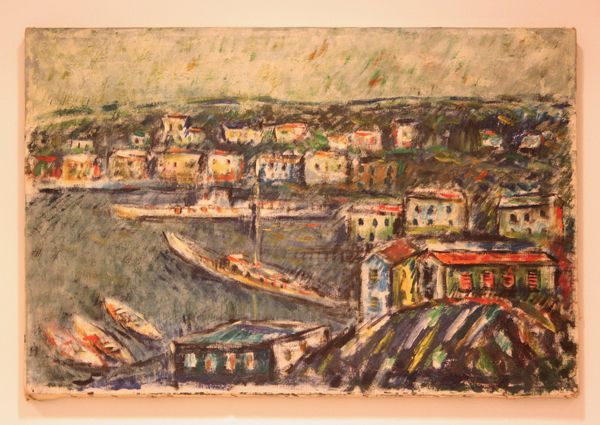
Canal Grande, oil on canvas, 50x70 cm
-
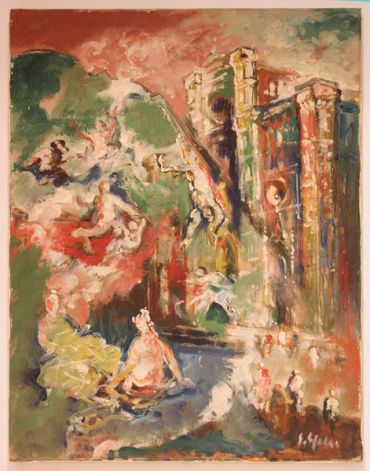
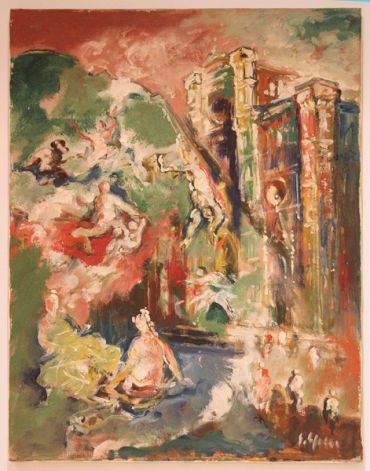
Omaggio a Firenze, 1979, oil on canvas, 70x50 cm
-
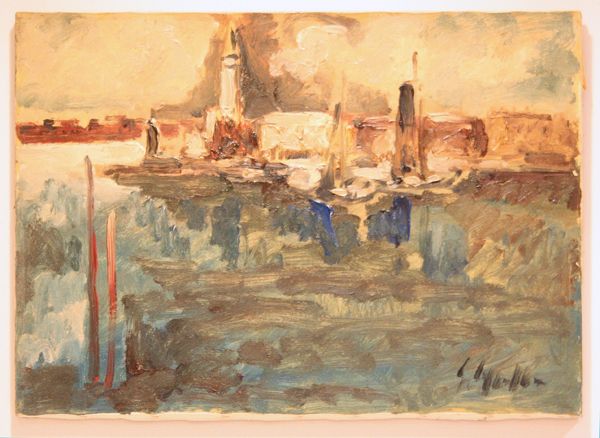
Venezia, oil on canvas, 50x70 cm
-
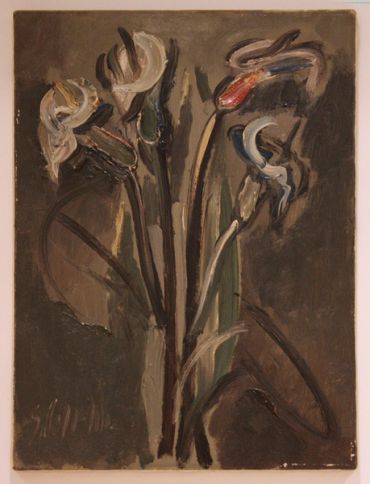
Calle, 1970, oil on canvas, 70x50 cm
-
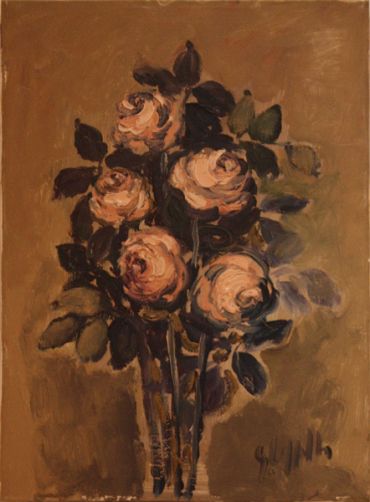
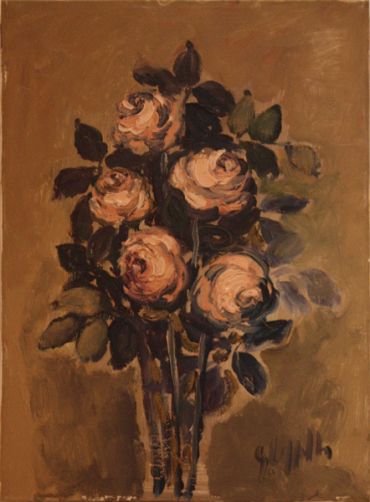
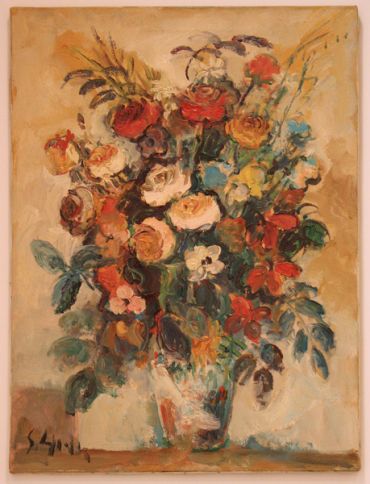
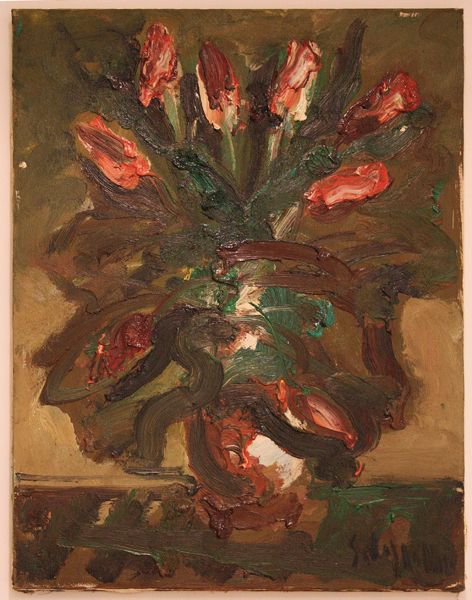
Cinque Rose, oil on canvas, 70x50 cm
-
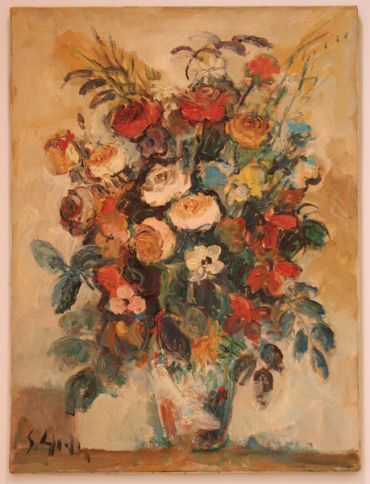
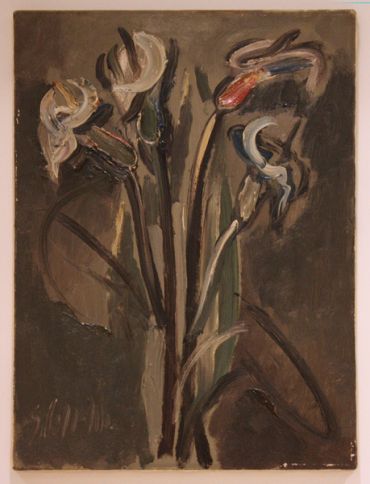
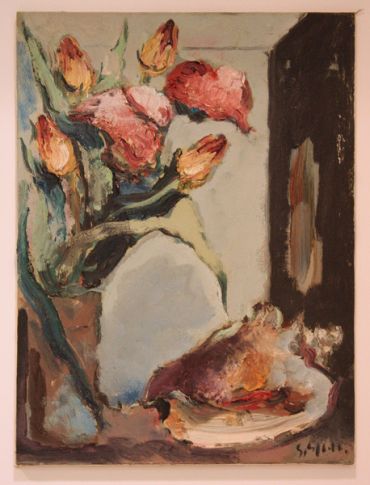
Composizione floreale, 70x50 cm
-
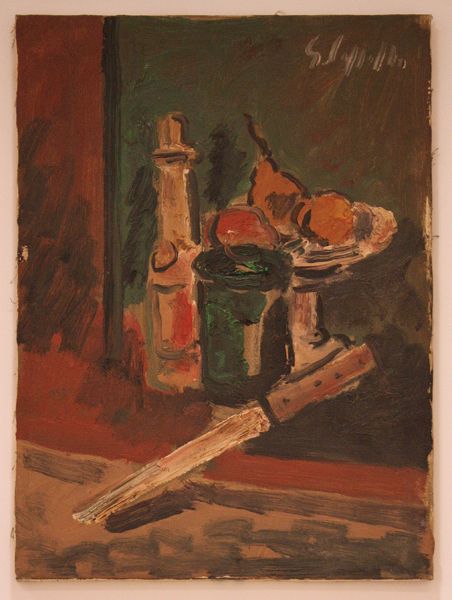
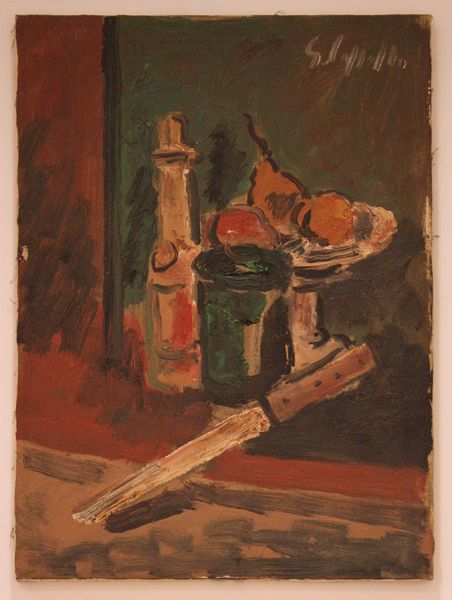
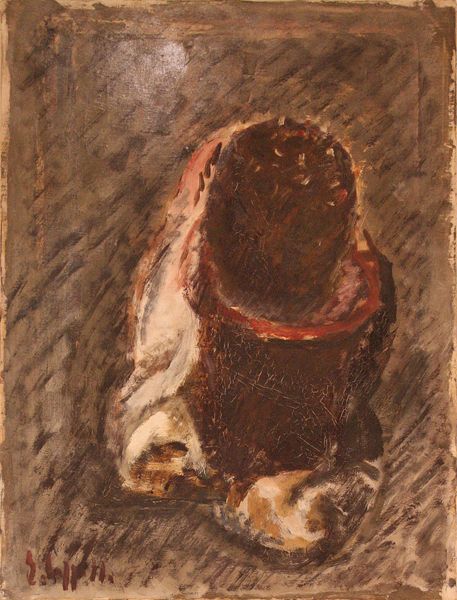
Natura morta con coltello, 1971, oil on canvas, 70x50 cm
-
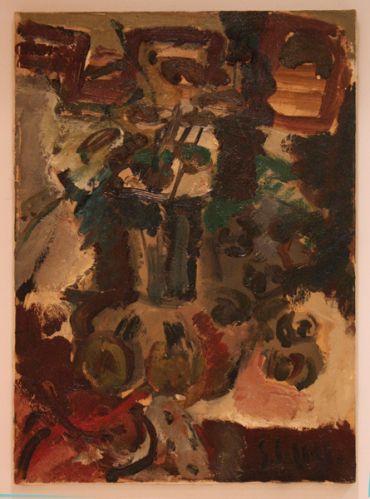
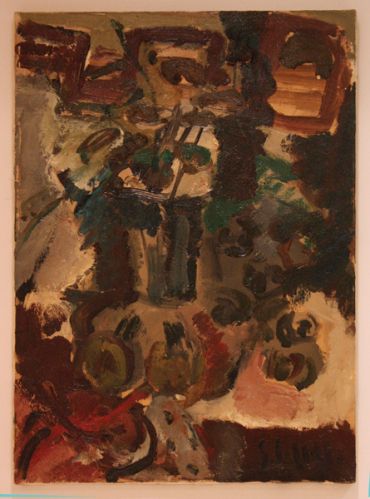
Vaso con fiori astratto, 1974, oil on canvas, 50x70 cm
-
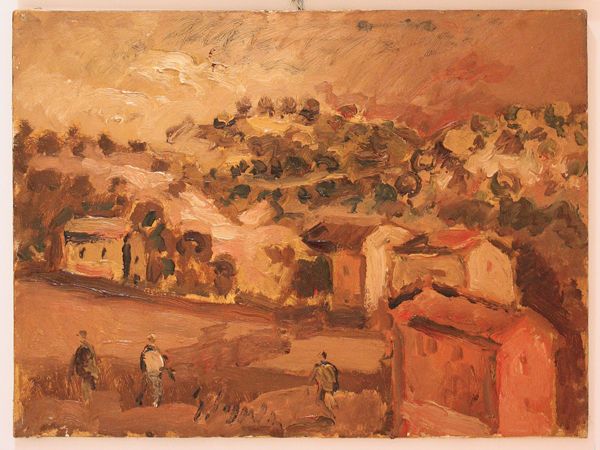
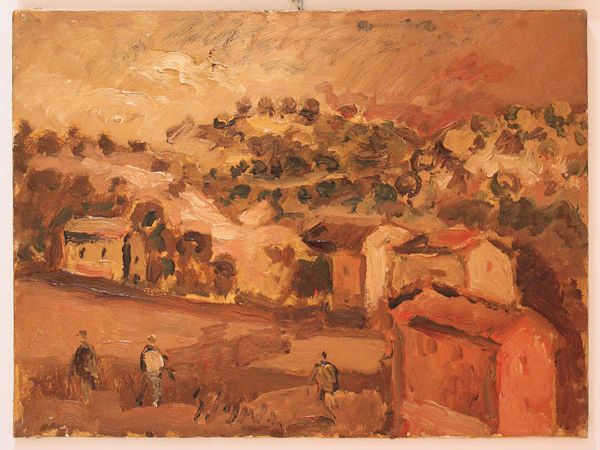
Paesaggio di campagna, oil on canvas, 50x70 cm
-
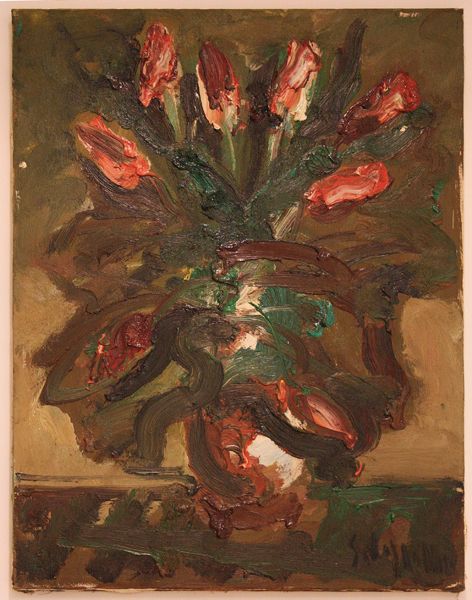
Boccioli di rosa, oil on canvas, 70x50 cm
-
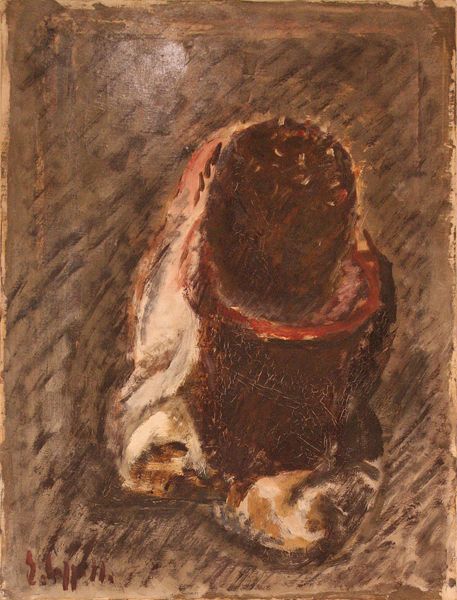
Pianta grassa, 1967, oil on canvas, 50x70 cm
-
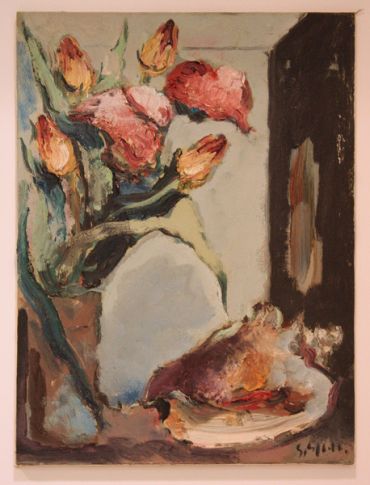
Vaso di fiori con frutta, 70x50 cm
-
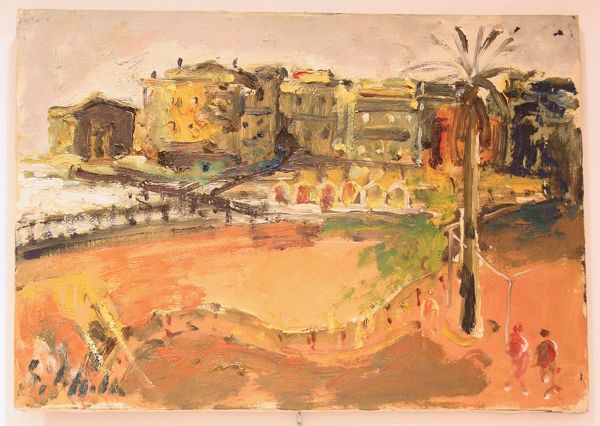
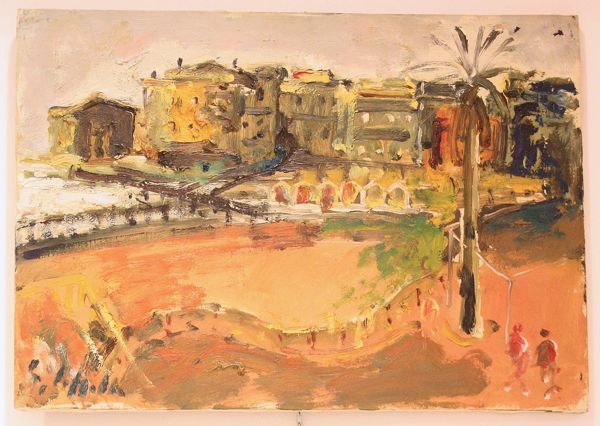
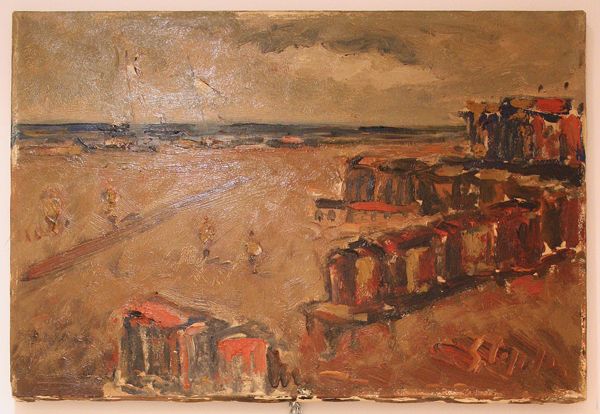
Lungomare, oil on canvas, 50x70 cm
-

Marina con bandiere, oil on canvas, 50x70 cm
-
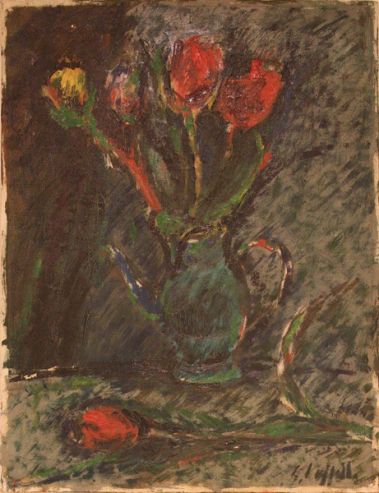
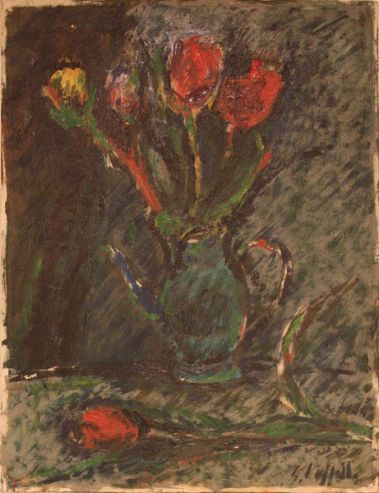
Vaso con tulipani, 1962/63, oil on canvas, 50x70 cm
-
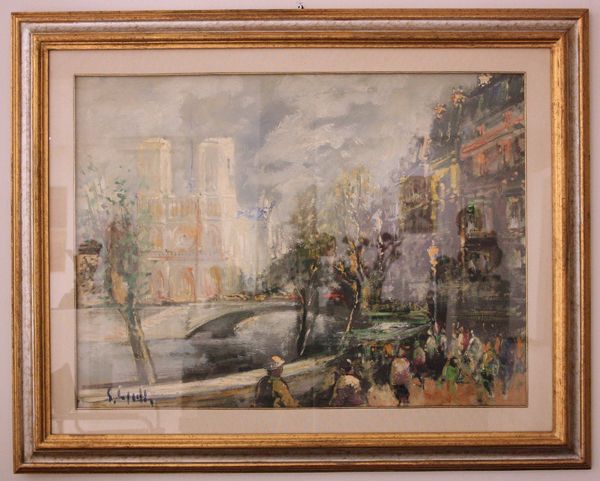
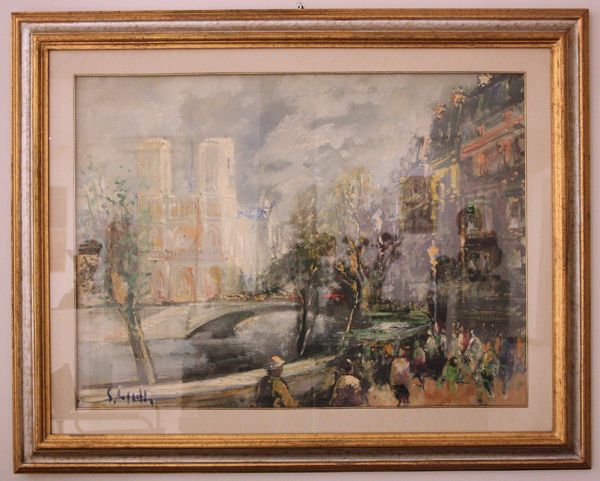
Parigi, oil on canvas, 50x70 cm
-
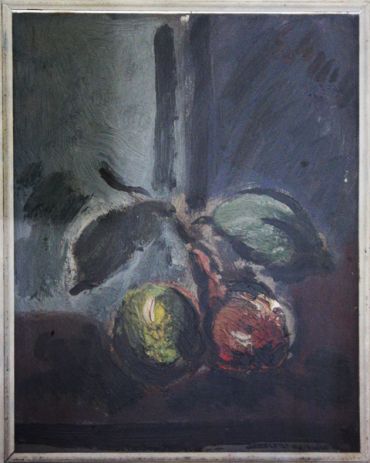
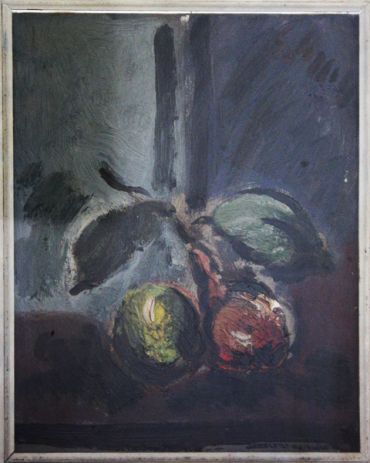
Natura morta, 1976, oil on canvas, 40x30 cm
-
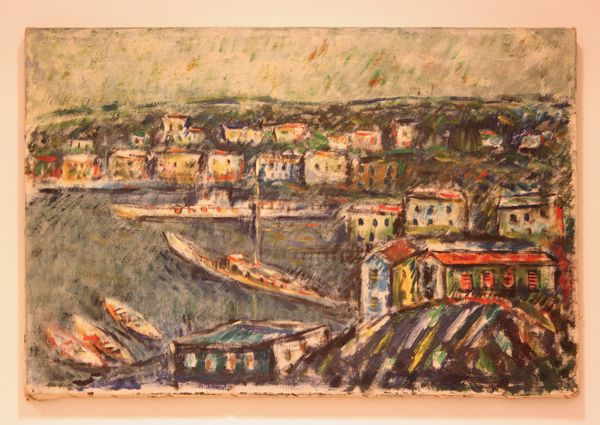
Riviera Mediterranea, 1965, oil on canvas, 50x70 cm
-
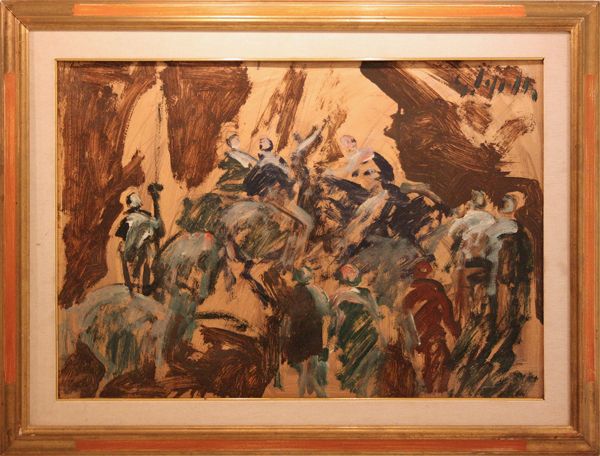
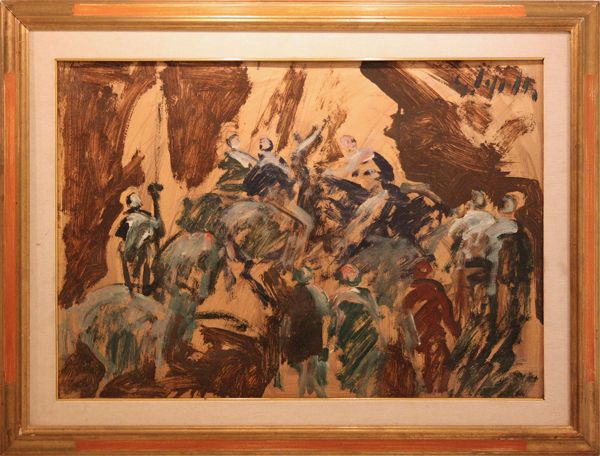
Battaglia, 1955, oil on canvas, 50x69 cm
-
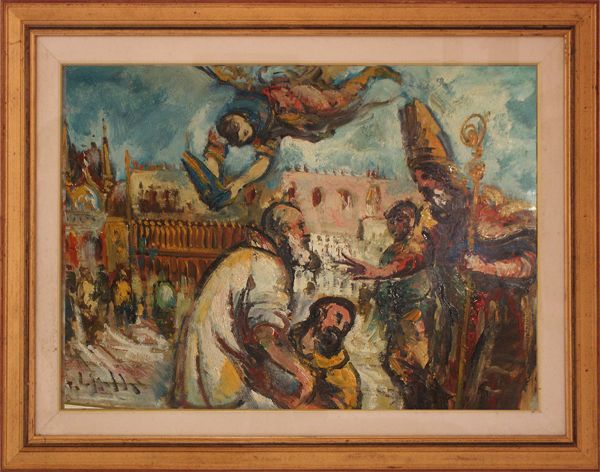
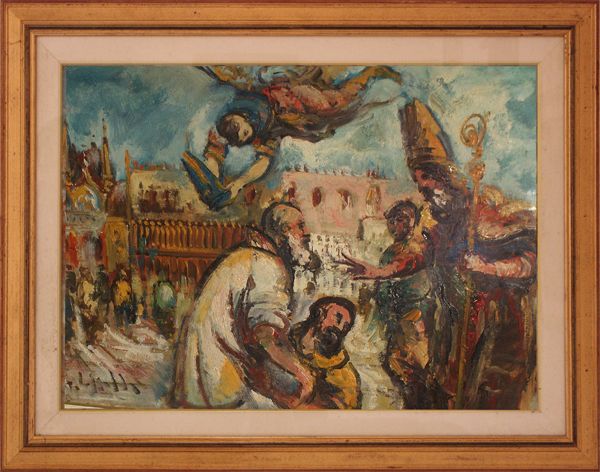
Santi a Venezia, oil on canvas, 70x50 cm
Biography
THE PAINTINGS OF EMANUELE CAPPELLO AS SEEN BY LUCA MONTI
Emanuele Cappello expresses, in a sublime way, I would say, the materiality of colour, which in many of his works takes on tones so vivid that they can be called “solar”, meaning by this term not the cheerfulness commonly associated with it, but the emission of light proper to the sun.
Certainly the technique chosen by the artist, the palette knife, has an influence on this solar quality, since colour spread with a palette knife tends to expand outwards, often irregularly, thus giving the impression of a radial distribution, exactly like the rays of the sun.
There is, indeed, that energy, that positive vis which allowed the man Emanuele Cappello first, and the artist afterwards, to overcome the dark moments of earthly existence.
And it is precisely that vis, that noble struggle of a man aware of his own weaknesses yet never subdued, never brought to his knees, against his own fate, that is the aspect to highlight and underline, in bold, in his paintings, as I hope to manage to do in this analysis, in order to restore artistic dignity to a painter who is undervalued compared to his true worth (not only economic).
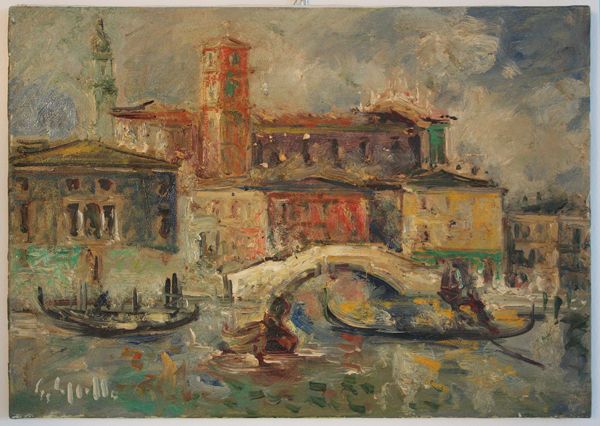
He is, in fact, an artist who has so far enjoyed a market limited to the geographical area of Tuscany, whereas he has also appreciated and painted, in some of his works, which are moreover perhaps the best of his great artistic career, other places (above all Venice and Paris), enhancing them with his typical materiality combined with his almost incredible ability to keep colour fresh even after many years. After this brief and necessary introduction, we will go on to illustrate the works of this private collection, which on this occasion will become part of the artistic and cultural debate in Florence. With this exhibition we have sought to pay homage to the “cursed” painter, not unique but like so many of his predecessors who in life did not enjoy, and do not enjoy, the critical fortune they deserve.
Luca Monti