BOUTROS ROMHEIN
-
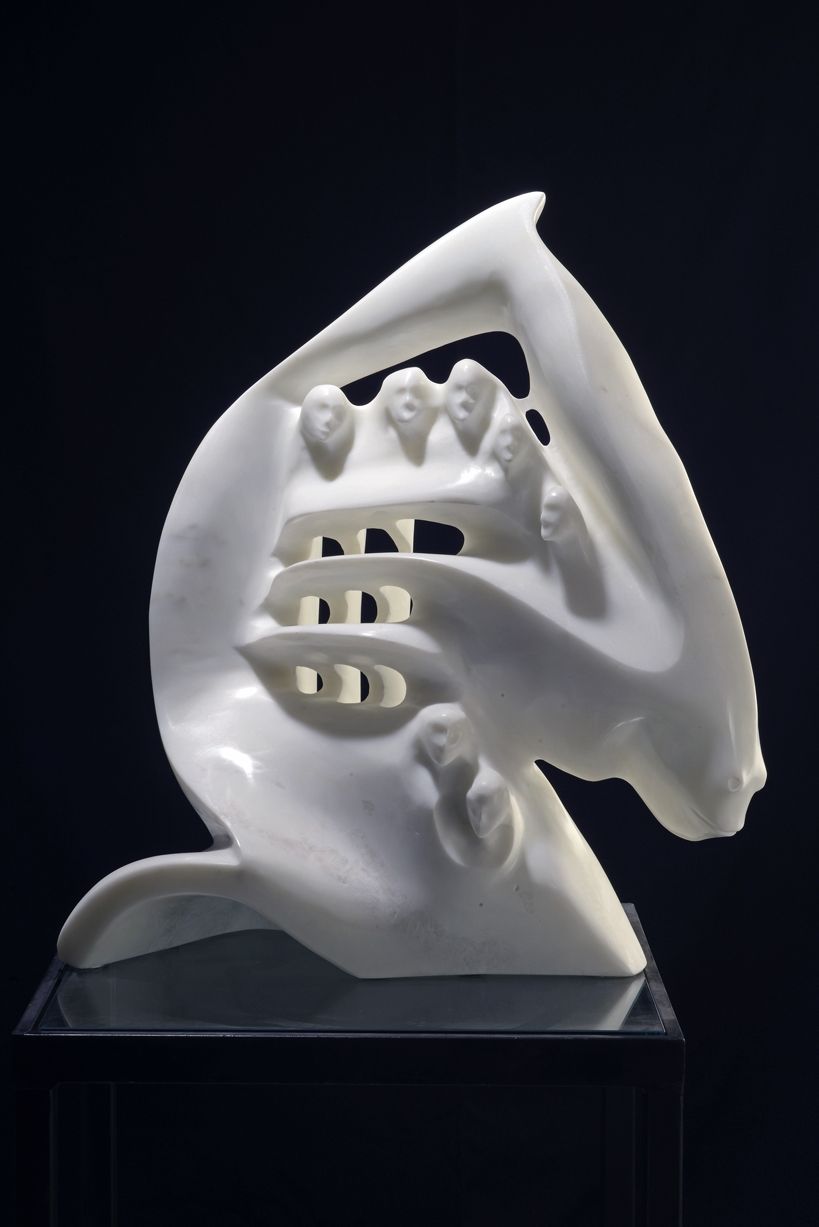
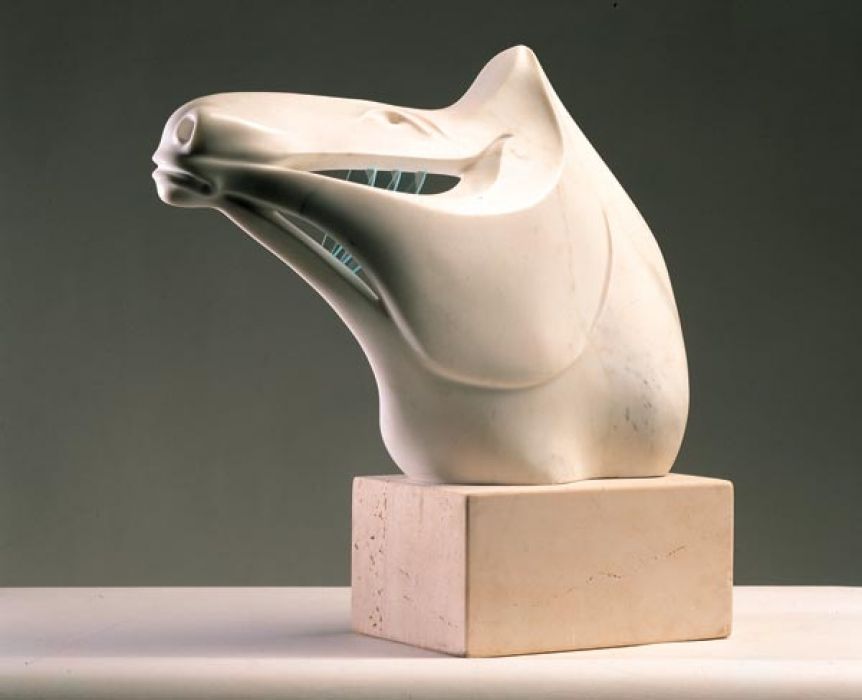
Troy horse, statuary marble, 50x25xh56 cm
-
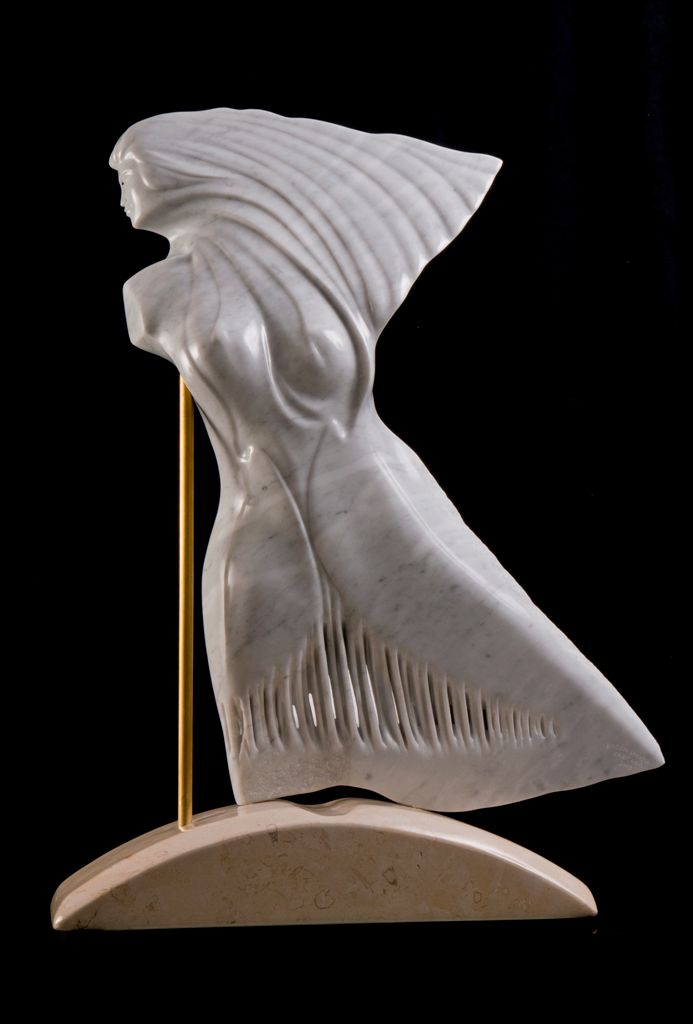
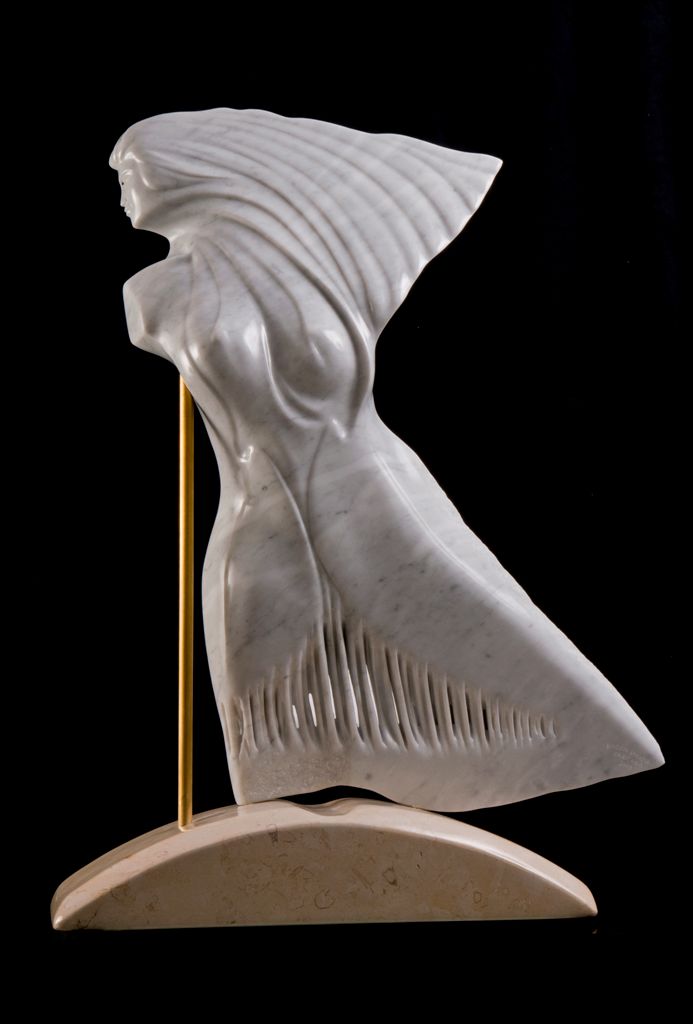
Zanobia, white Carrara marble, brass, Palmyra marble base, 10x47x72 cm
-
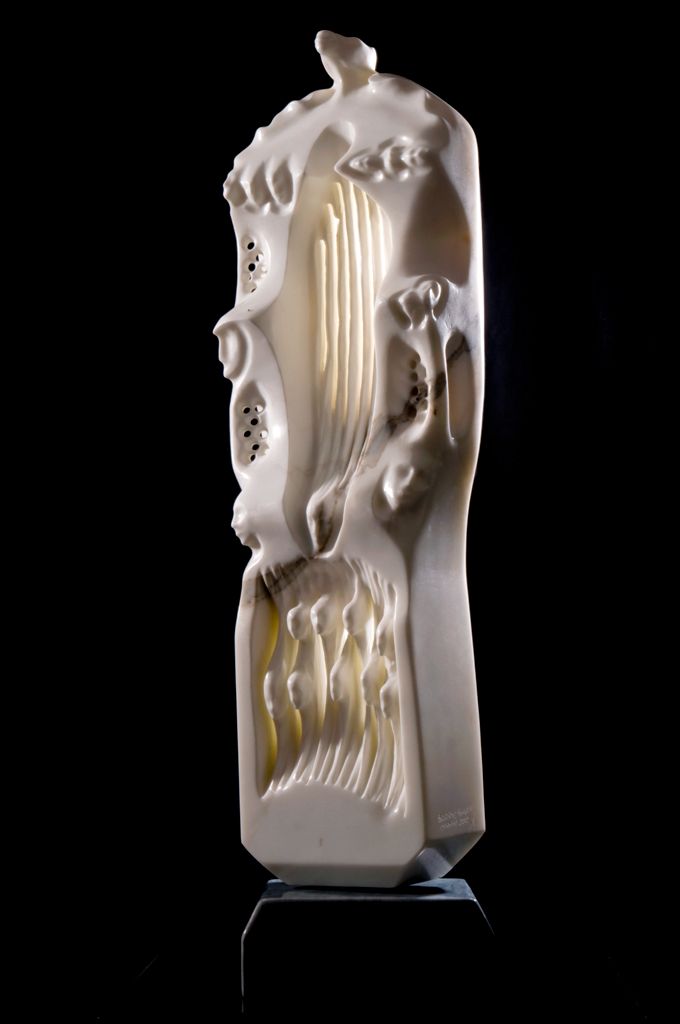
Il cavallo, statuary marble, Marquinia marble base, 81x24x85 cm
-
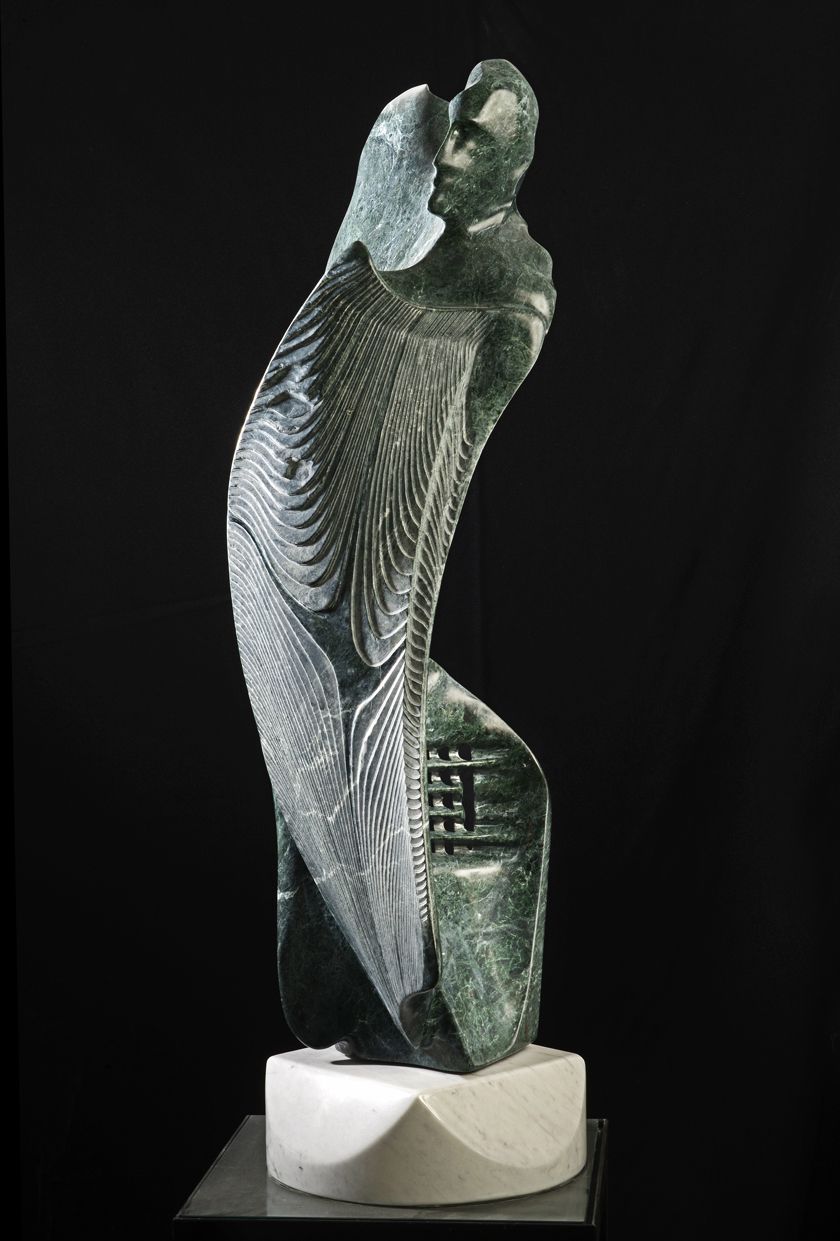
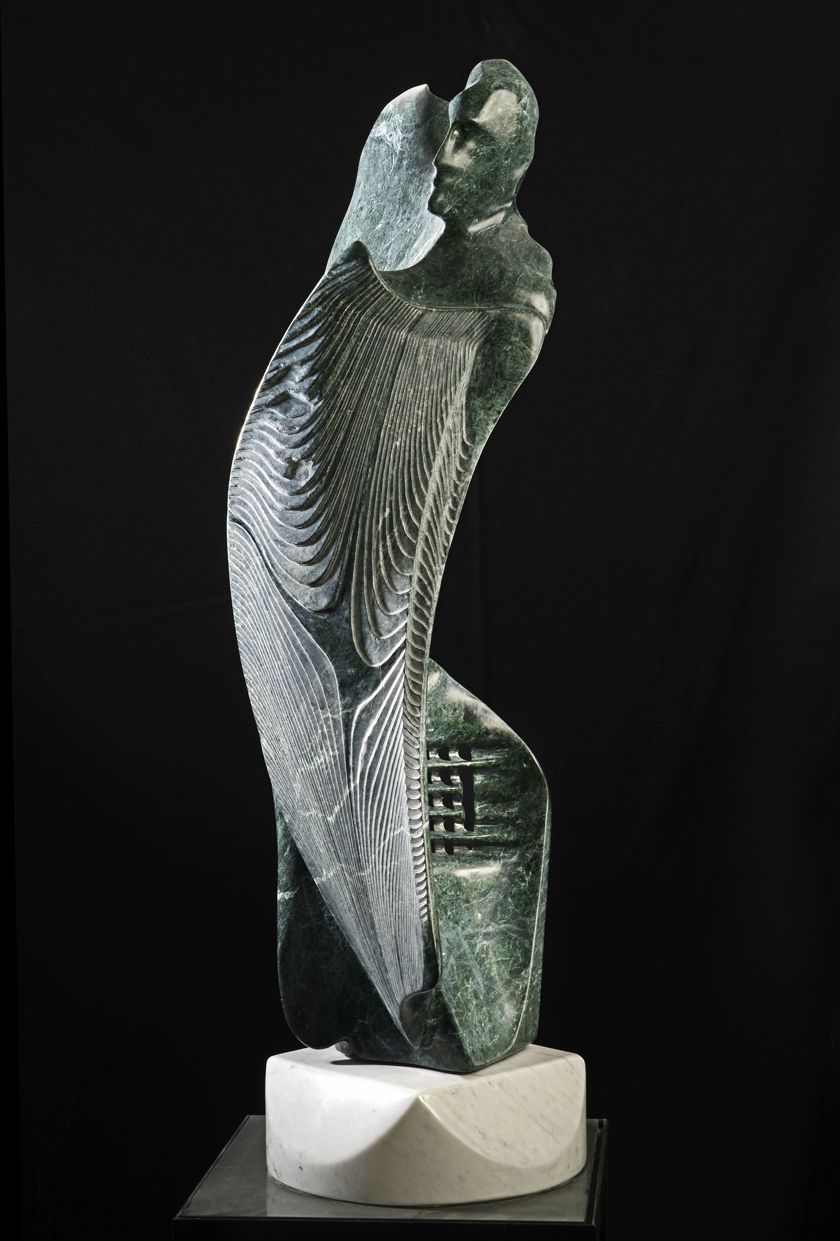
Cavaliere, Guatemala green marble, statuary marble base, 30x30x105 cm
-
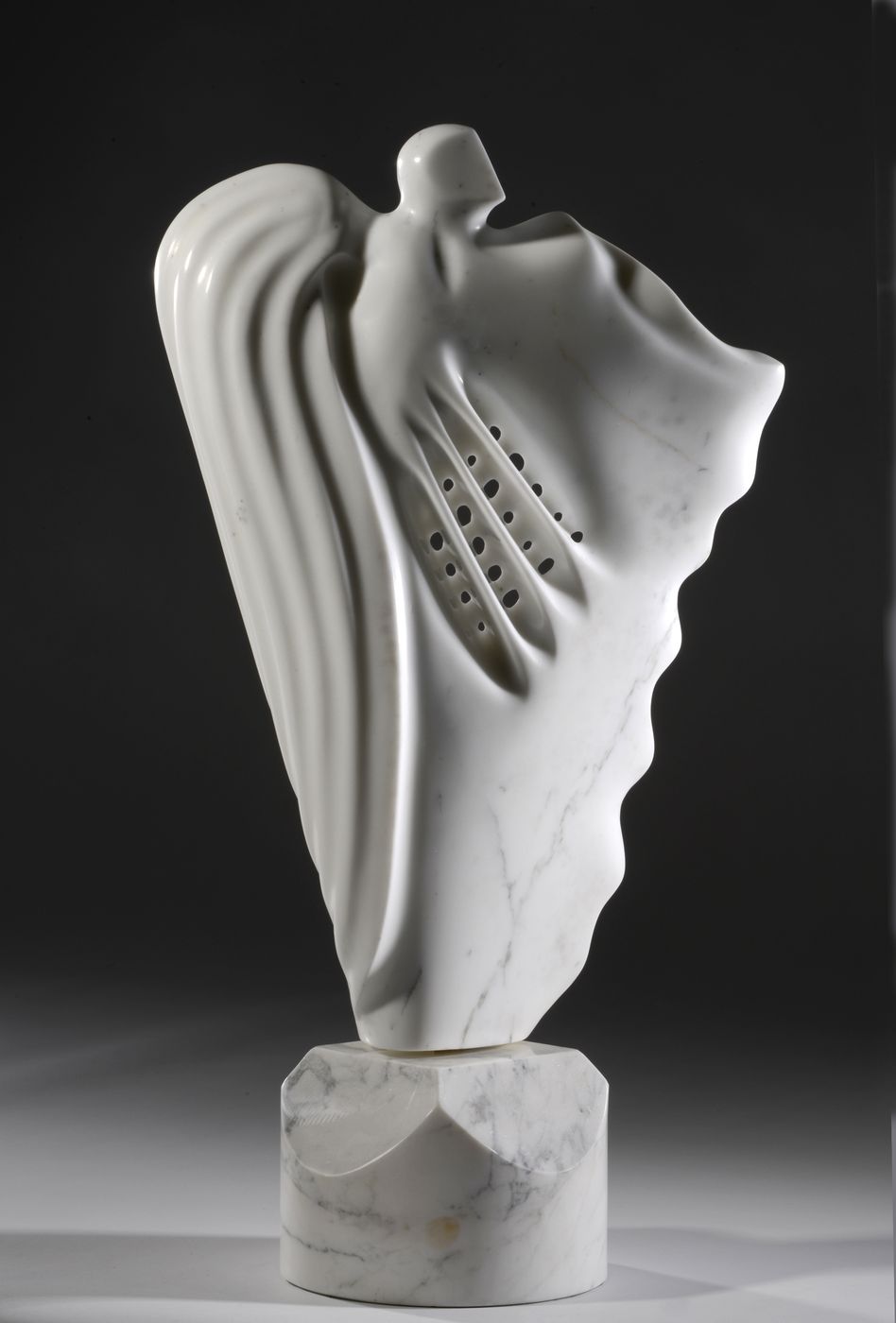
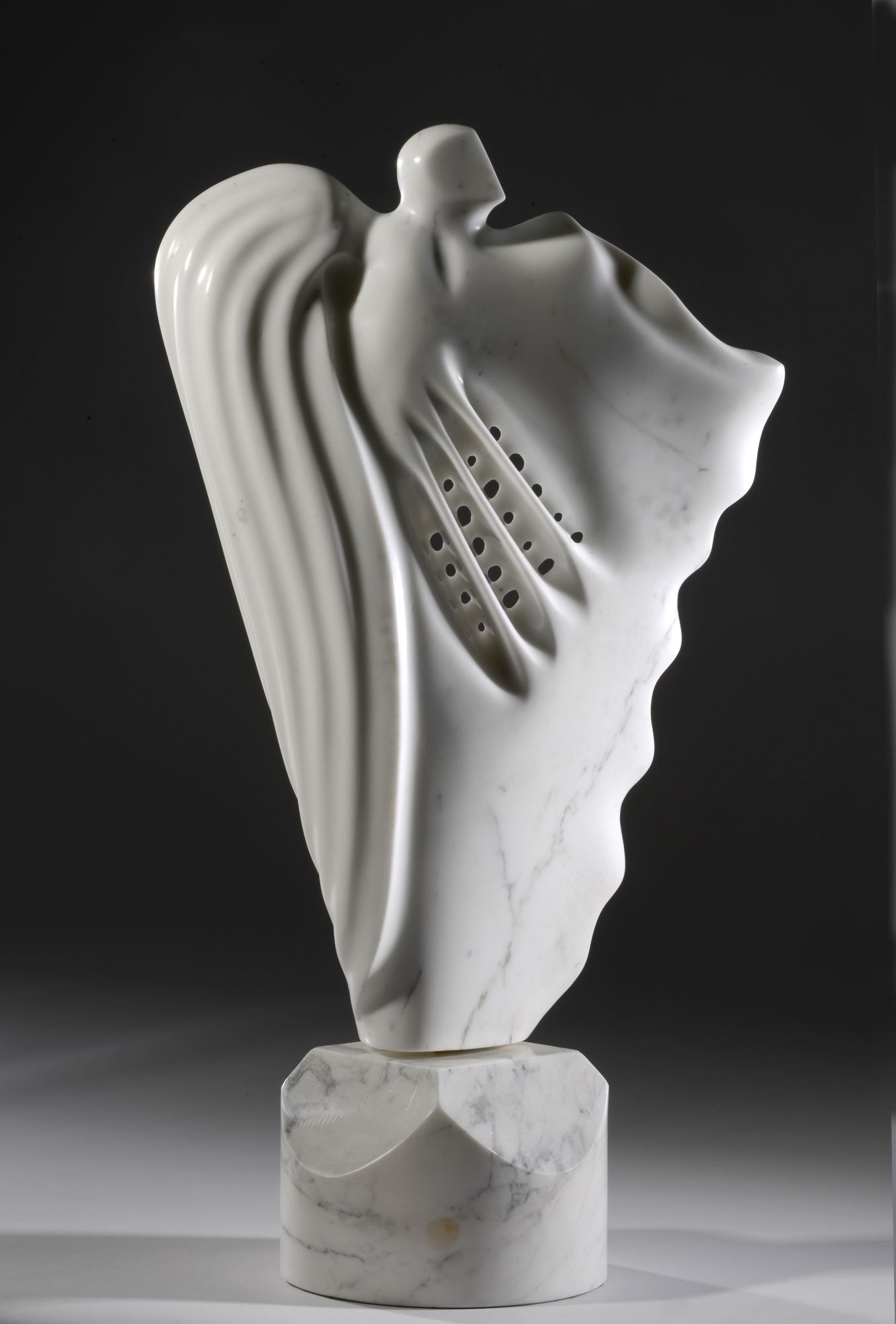
Angelo al vento, statuary marble, 41x20x93 cm
-
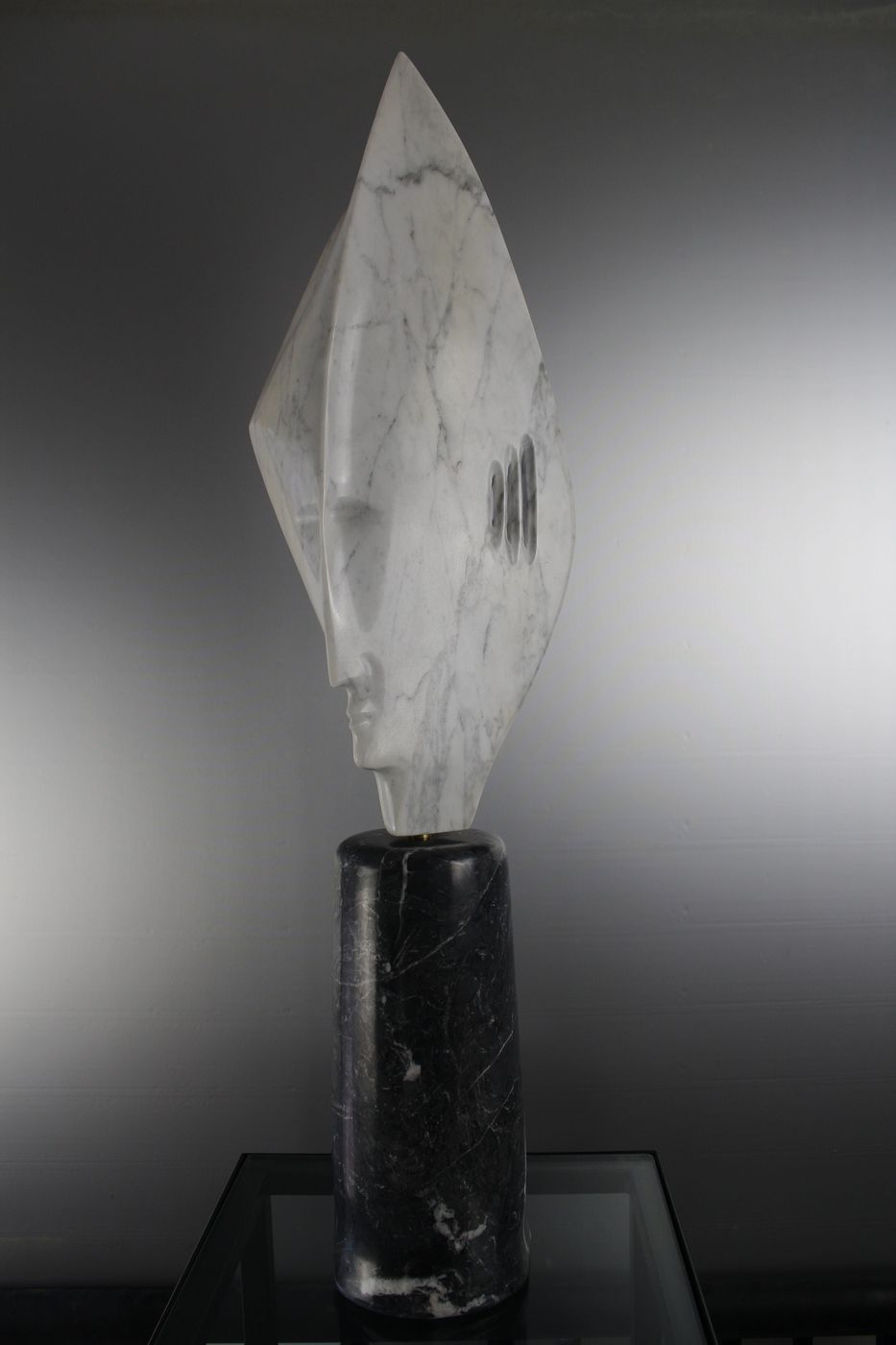
The Pope, white Carrara marble, 20x10x 92 cm
-
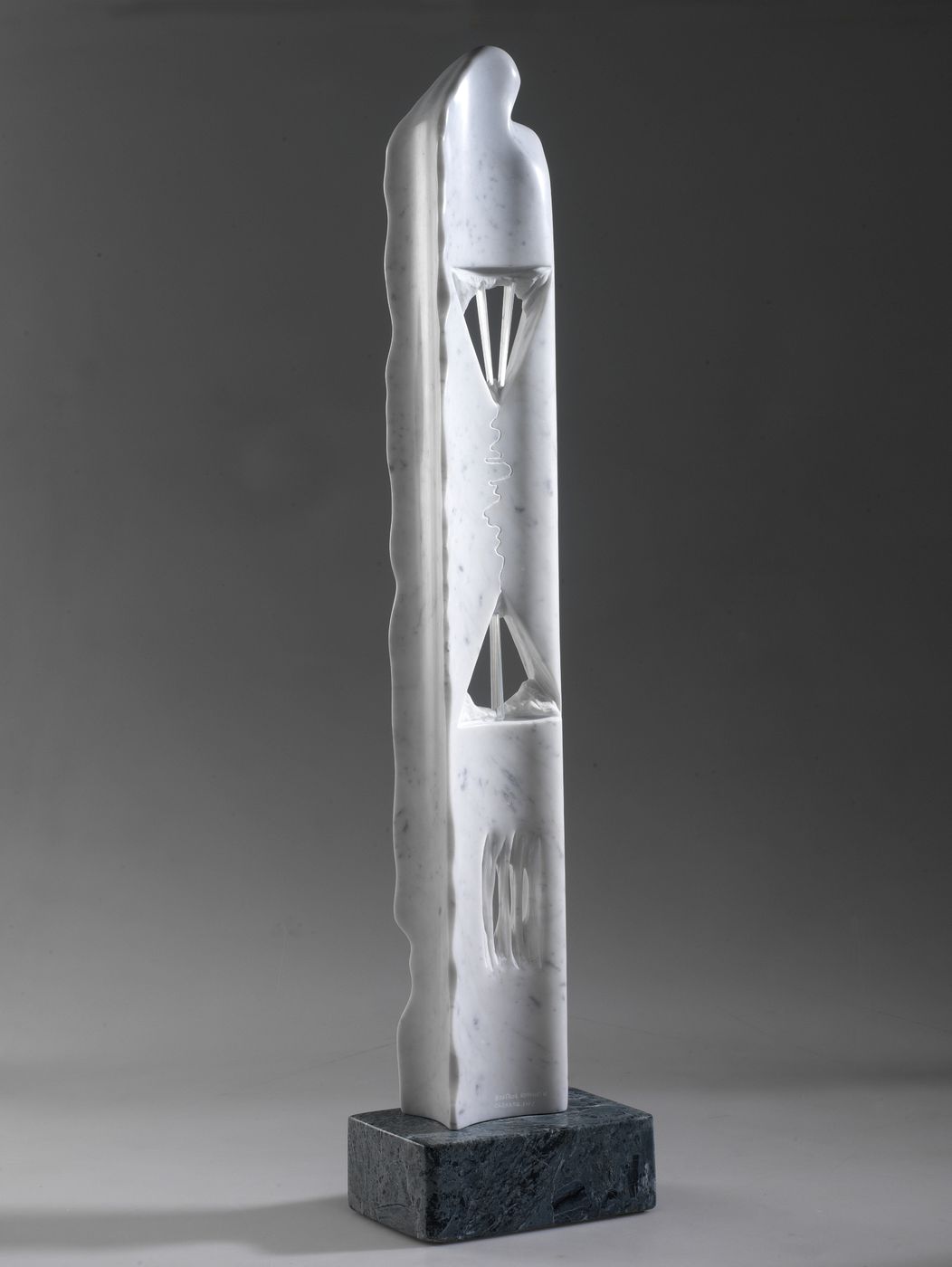
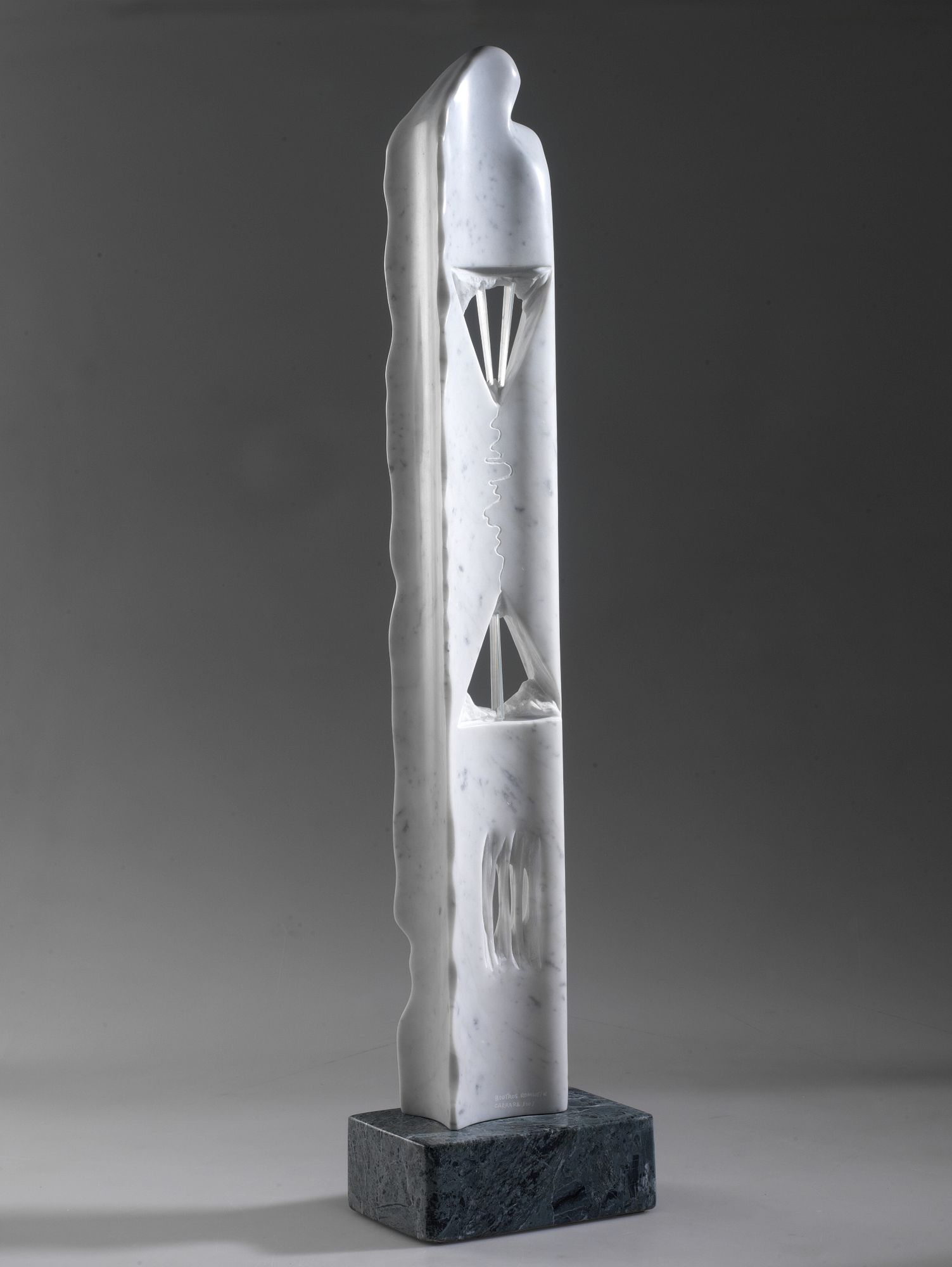
Il Tempo, statuary marble and glass, 13x8x87 cm
-
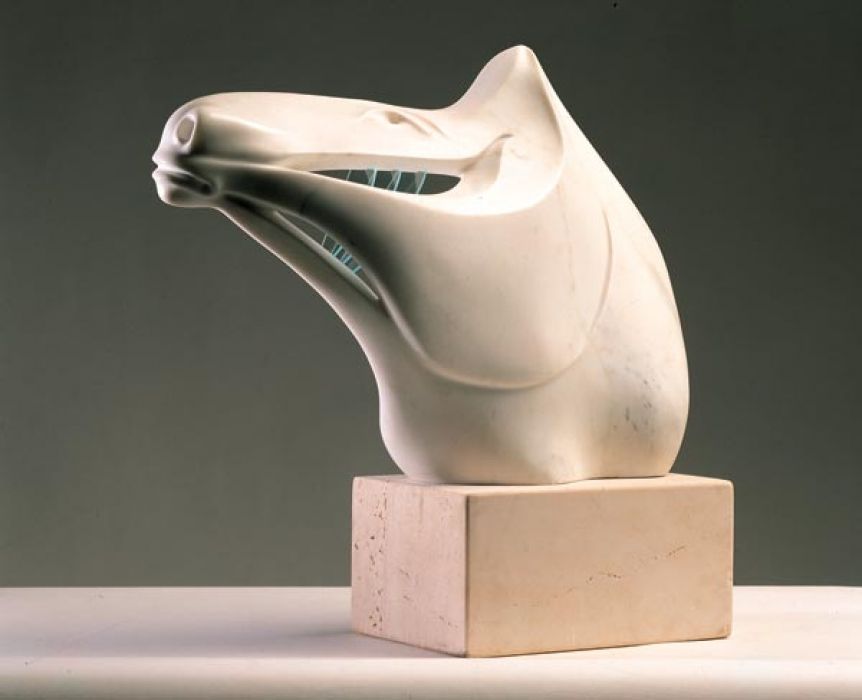
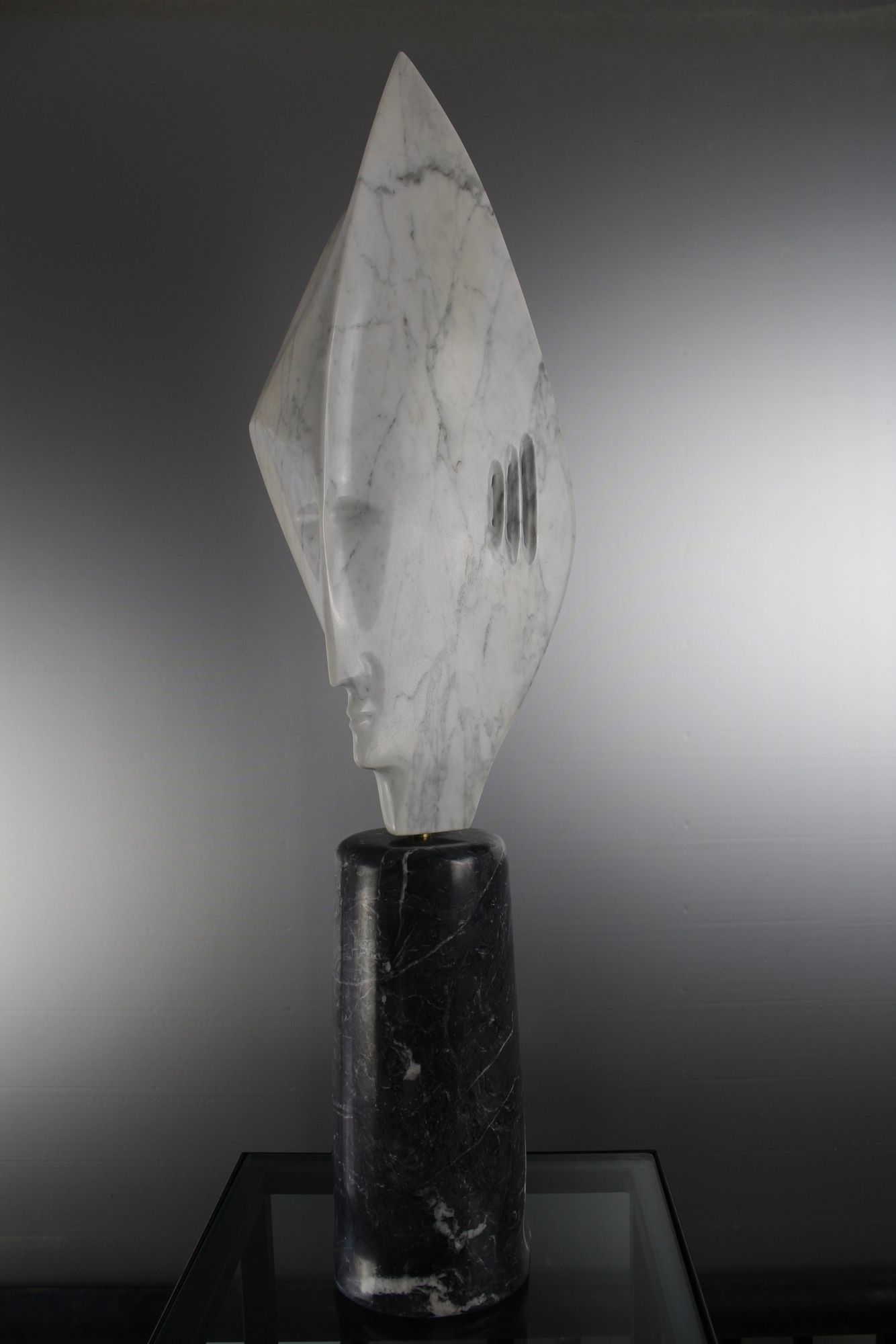
Ombra del Passato, statuary marble and glass, 57x22x82 cm
-
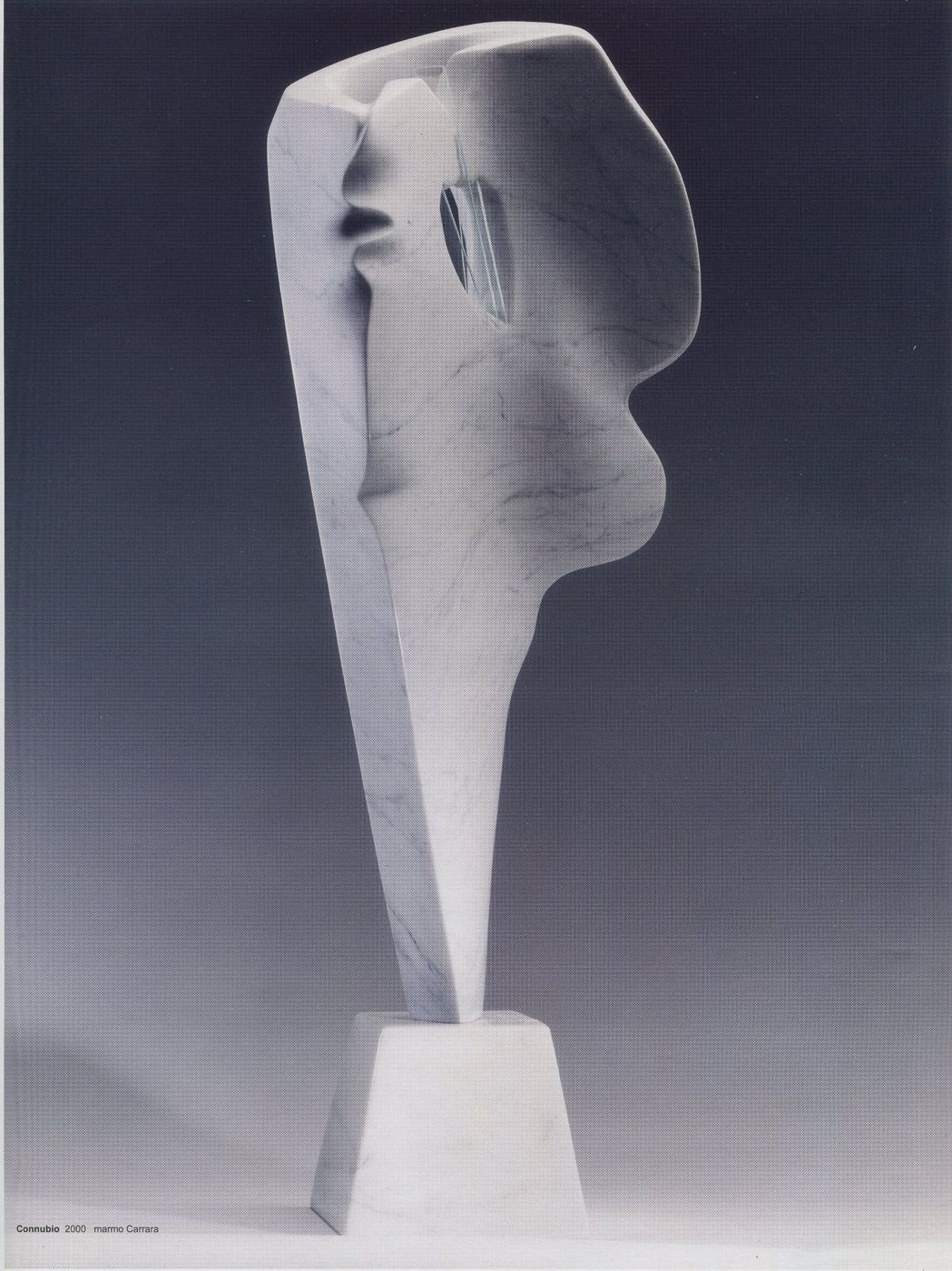
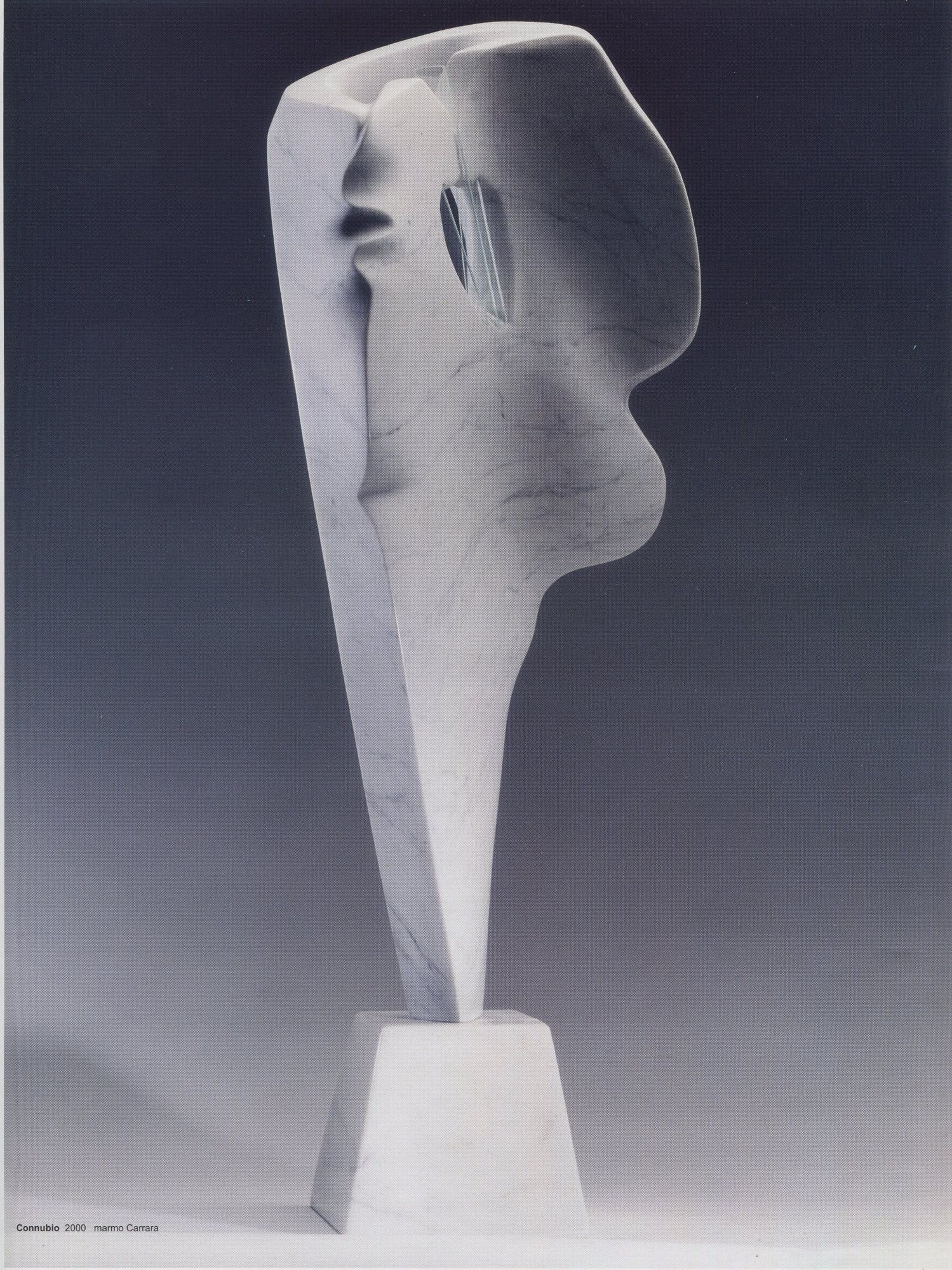
Connubio, statuary marble, 23x31x89 cm
-
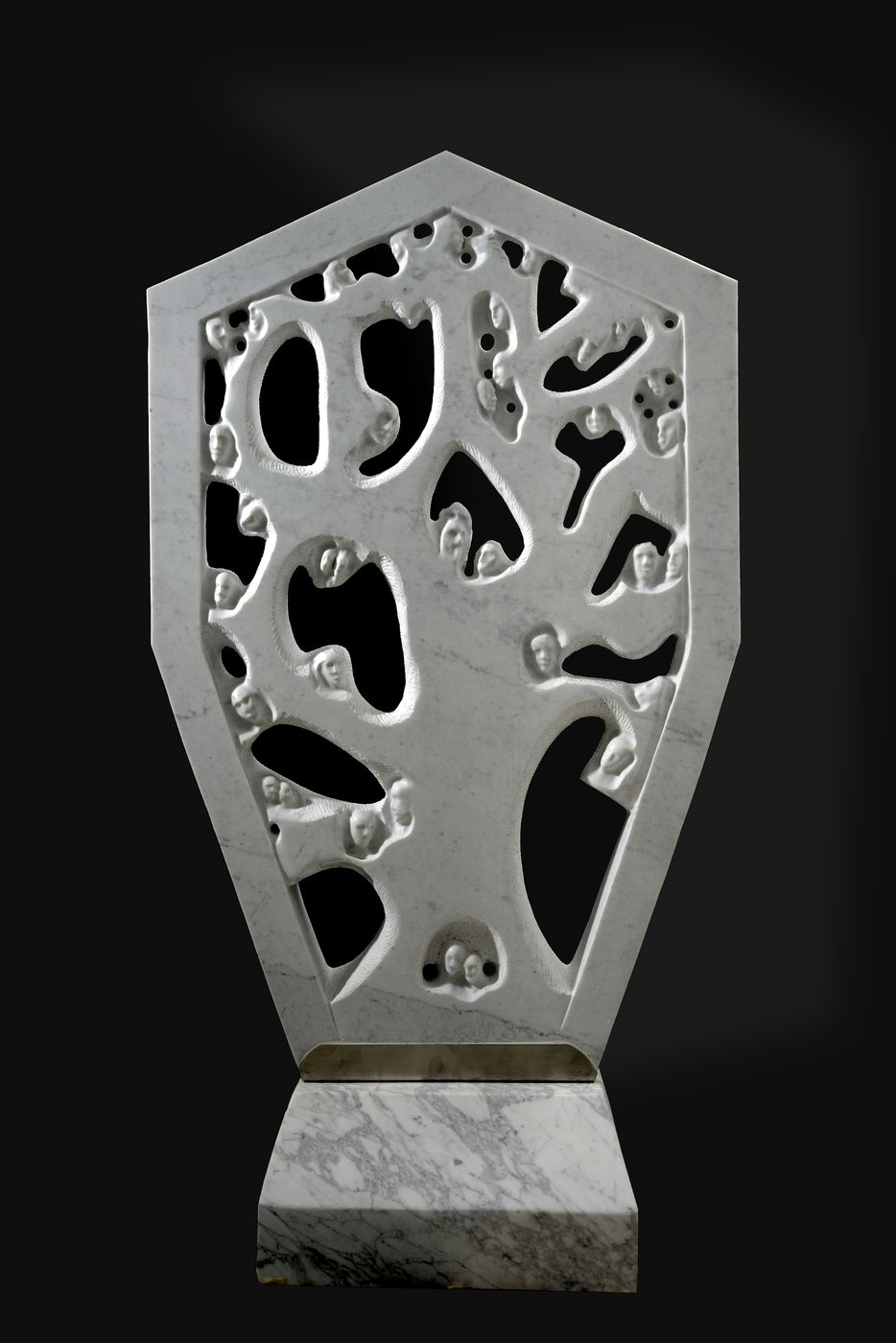
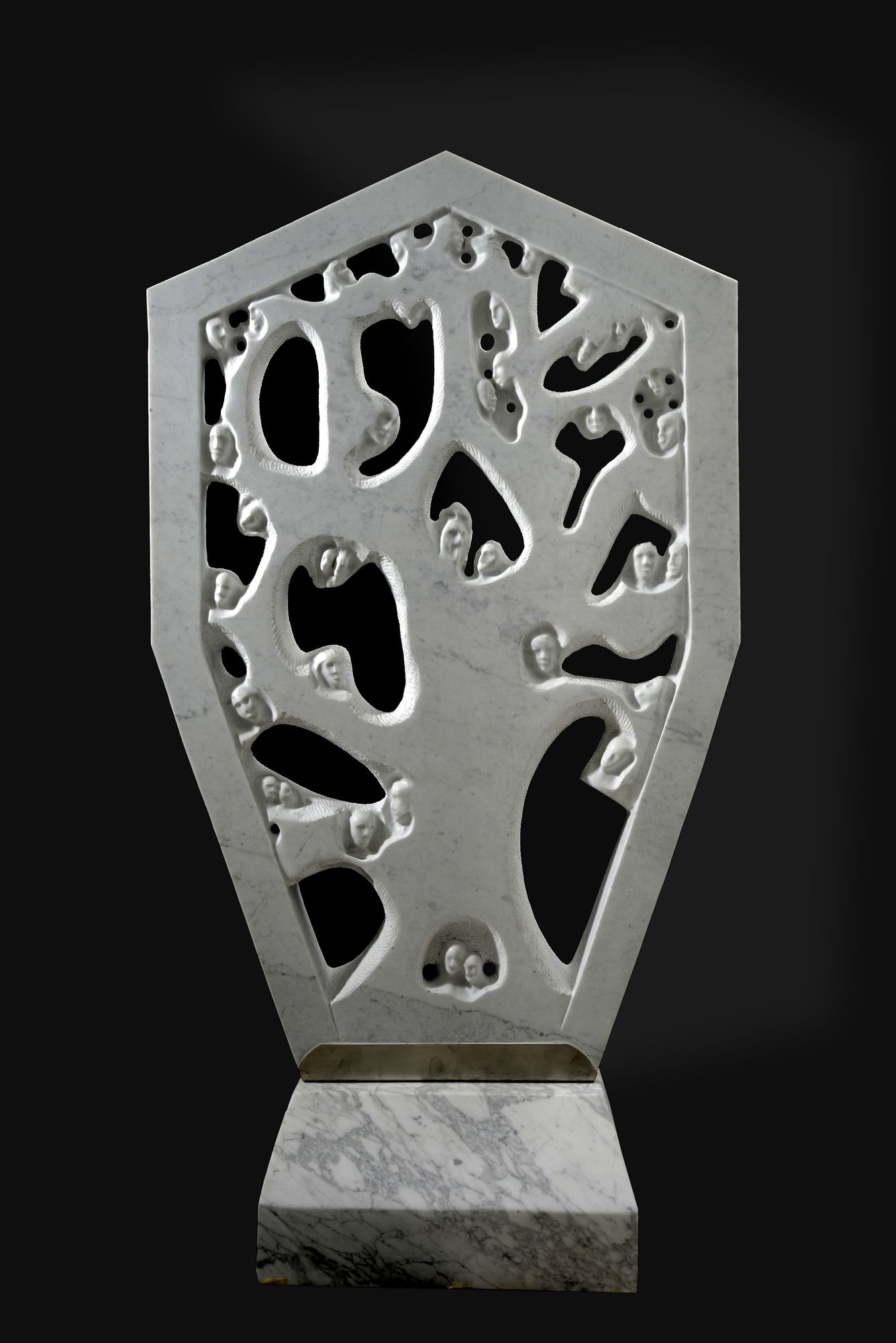
Il Grande Albero, white Carrara marble, 90x10x166 cm
-
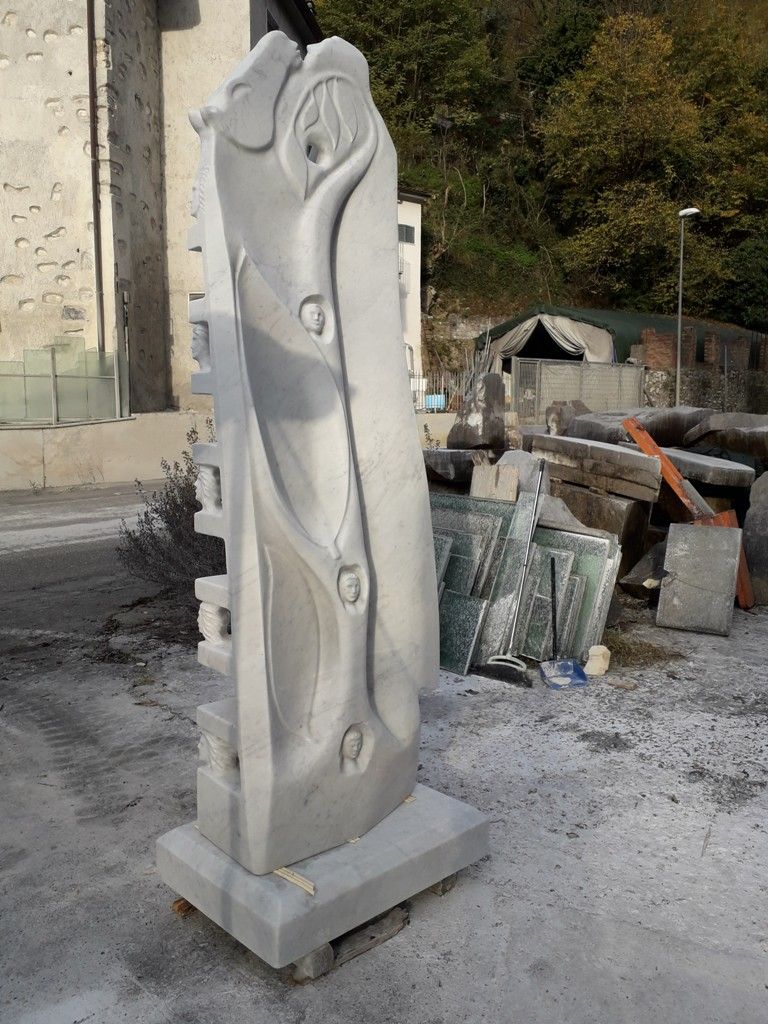
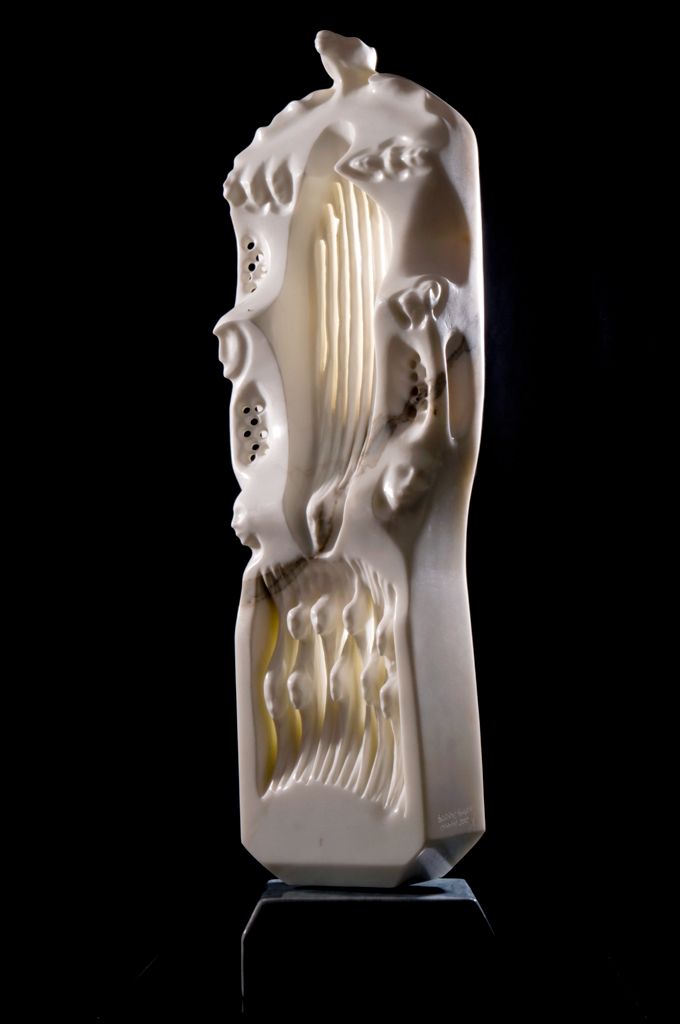
Il Dialogo, white Carrara marble, 70x35x235 cm
Biography
Boutros Romhein was born in Kraya, Syria, in 1949.
He earned his classical secondary-school diploma in 1960 in Damascus.
At just sixteen, Boutros Romhein began creating his own sculptures in olive wood and stone, working in an atelier in Damascus, Syria.
At 18 he opened his own art studio in the same city, taking part, as early as 1969, in group exhibitions and organizing his own solo shows, meeting with success throughout the country.
From 1975 he began his artistic wanderings through various European countries – France, Italy, Spain, Switzerland – countries in which he had the opportunity to exhibit his works.
Since 1983, Boutros has made his home in Italy, in Carrara. Here he earned his diploma at the Accademia di Belle Arti di Carrara in 1987.
In 1991 he founded the sculpture studio «ARCO ARTE» in Carrara, Italy. It houses the workshop, permanent exhibition rooms, and the work yard where sculpture technique courses are held for the more and less experienced alike.
From the critical text by Ivy Mefalopulos:
...“The pleasure of profaning the rational limits of reality is almost always present in the game of art, but the form in which this pleasure becomes a force for transforming dominant rationality is different. An example of such difference is the works of the Syrian sculptor Boutros Romhein, which seem to embody, despite their challenge to classical realism, that concept of renewal which since the ’70s began to oppose the ultramodern concept of the exasperated avant-garde. A return to memory, a recourse to the cultural past, in an attempt to restore to artistic creation its lost interiority.
As the eye moves across the artist’s sculptures, the viewer feels as if touching different keys of a piano, so harmonious is the whole of the works. Boutros’s creations can be enjoyed from every side, like a perversely polymorphic object in which it is impossible to find an angle where the balance of the figure is lost. Looking at and touching a statue is similar to a musical experience”…